
Cost to Build a Small Outdoor Sitting Area in Rochester MN
Rochester, Minnesota, offers beautiful, temperate summers and crisp, vibrant autumns, making an outdoor sitting area a highly desirable addition to any home. Whether you envision a quiet corner for your morning coffee, a dedicated space for an outdoor reading nook, or a cozy gathering spot around a fire pit for chilly fall evenings, expanding your living space outdoors adds significant value and enjoyment to your property.
However, before breaking ground, the most common question homeowners ask is regarding the budget. What is the realistic cost to build a small outdoor sitting area in Rochester, MN?
As a professional landscaping company operating in southeastern Minnesota, we believe in transparent pricing and educating our clients. In this comprehensive guide, we will break down the true costs associated with constructing a small outdoor living space, the materials that work best in our climate, and the engineering required to make it last.
Defining the Scope of a "Small" Sitting Area
Before discussing pricing, we must define the parameters of the project. In the landscaping industry, a "small" outdoor sitting area typically ranges from 100 to 150 square feet. This is roughly a 10x10 or 10x15 foot space.
This square footage provides ample room for a small bistro table and chairs, a pair of comfortable lounge chairs with a side table, or a modest circular seating arrangement around a focal point. It is an intimate space, distinct from a large dining patio or an expansive entertainment deck.
Understanding the Small Outdoor Sitting Area Cost Rochester MN
The primary driver of your landscaping budget will be the materials you select and the labor required to install them correctly. For a 100 to 150-square-foot sitting area in Rochester, you can generally expect the project to fall into one of three pricing tiers.
1. The Entry-Level Tier: $1,500 to $3,000
If you are working with a strict budget, you can still achieve a beautiful, functional space. This tier typically utilizes compacted decorative gravel, crushed granite, or basic stamped concrete.
Crushed Stone/Gravel: This is the most cost-effective option. It requires excavating the topsoil, laying a weed barrier fabric, and installing heavy-duty edging to keep the stones contained before filling the area with compacted gravel.
Basic Stamped Concrete: Pouring a small concrete slab and stamping it with a subtle texture provides a solid, level surface. Expect to pay between $12 and $18 per square foot for professionally poured and stamped concrete.
2. The Mid-Range Tier: $3,500 to $6,500
This is the most popular category for homeowners in Rochester. At this price point, you are moving into high-quality manufactured concrete pavers.
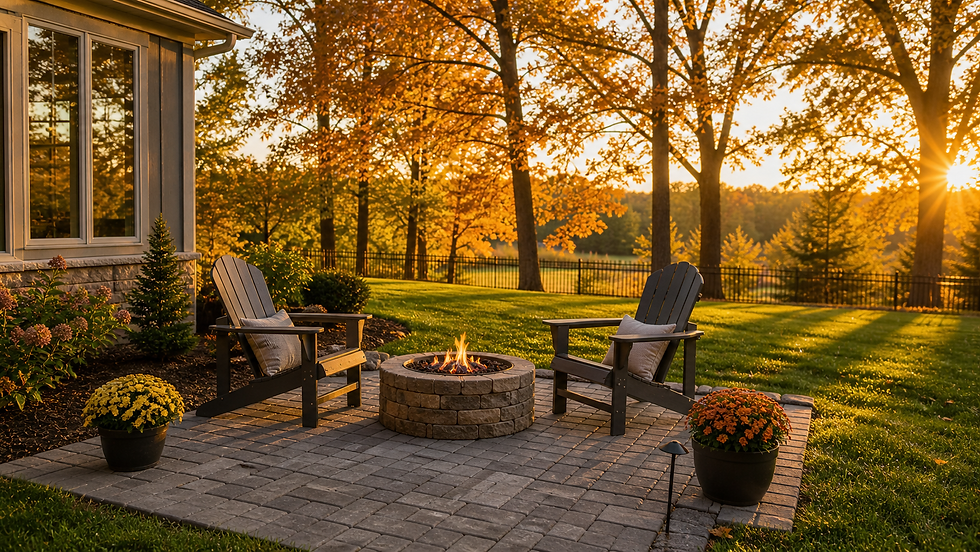
Concrete Pavers: Pavers offer incredible versatility in design, color, and pattern. They are also exceptionally durable. A professional paver installation for a small sitting area typically ranges from $20 to $35 per square foot. This price includes the critical excavation, base preparation, paver installation, and polymeric sand locking.
Minor Enhancements: At the higher end of this tier, you might have room in the budget for a small, pre-built fire ring or a simple garden path connecting the sitting area to your back door.
3. The Premium Tier: $7,000 to $12,000+
For those looking to create a luxurious, custom outdoor retreat, the premium tier utilizes natural stone and custom-built masonry features.
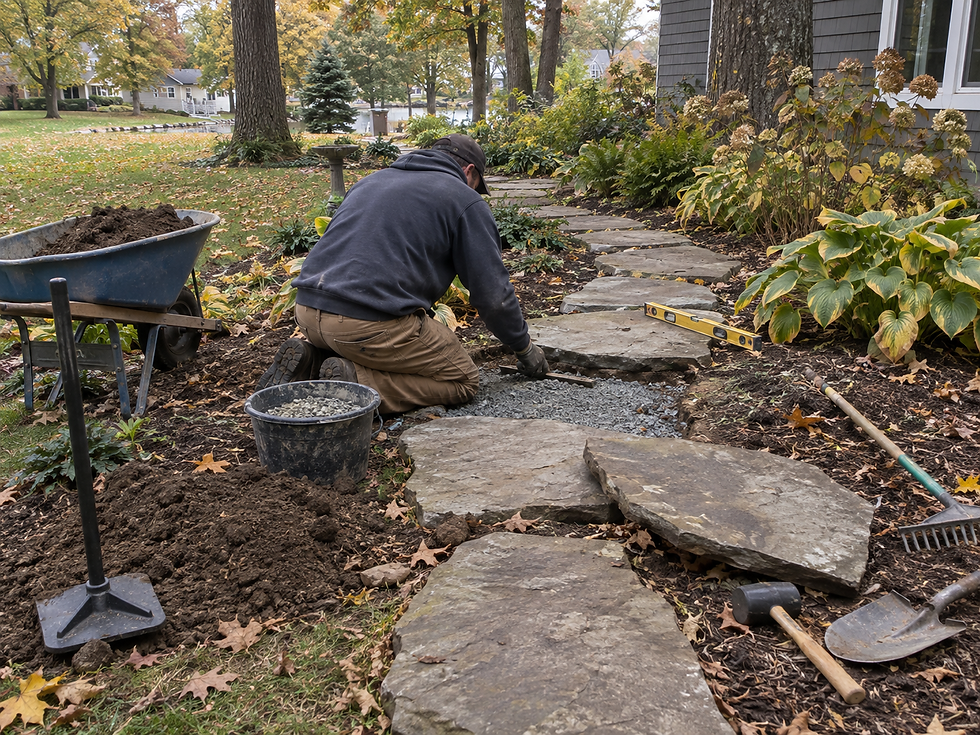
Natural Flagstone or Bluestone: Natural stone is the pinnacle of hardscaping elegance. However, because each stone is uniquely shaped and requires manual cutting and fitting, the labor costs are significantly higher. Expect to pay $35 to $55+ per square foot.
Built-in Features: This budget accommodates custom additions, such as a built-in seating wall (which typically costs $100 to $200 per linear foot) or a custom masonry gas fire pit.
Local Climate Considerations for Southeastern Minnesota
You cannot build a patio in Rochester, MN, the same way you would build one in Florida. Our unique climate dictates strict engineering standards.
The Freeze-Thaw Cycle and Frost Heave
Minnesota winters involve deep, sustained freezes followed by rapid spring thaws. As the moisture in the ground freezes, it expands. If an outdoor sitting area is not built on a proper foundation, this expansion will push the pavers or concrete upward—a phenomenon known as frost heave. When the ground thaws, the surface settles unevenly, leaving you with a ruined, hazardous patio.
To prevent this, a professional landscaping crew in Rochester will excavate a minimum of 4 to 6 inches of soil for a pedestrian patio. We then install and heavily compact a Class-5 crushed rock base. This engineered base allows water to drain beneath the patio rather than freezing directly against the paving stones.
Polymeric Sand vs. Traditional Sand
For paver installations, we strictly use high-quality polymeric sand in the joints. Unlike traditional sand, which washes away during heavy Minnesota spring rains, polymeric sand is activated by water to act as a flexible binding agent. It flexes with minor ground movement during the winter and prevents weeds from taking root in the summer.
Common Homeowner Concerns
When investing in a landscape project, Rochester homeowners frequently ask about the long-term implications of their new sitting area.
Site Grading and Drainage
A flat yard is rare. If the location for your sitting area is on a slope, the ground must be leveled. This often requires the construction of a small retaining wall on one side to hold back the earth. Retaining walls require specialized drainage behind the wall to prevent hydrostatic pressure from collapsing the structure. Grading and retaining walls will naturally increase the total cost of the project.
Return on Investment (ROI)
Outdoor living spaces yield some of the highest returns on investment in the home improvement sector. A well-constructed, professionally installed paver sitting area can yield an ROI of 60% to 80% when it comes time to sell your home, while significantly increasing your daily quality of life in the meantime.
Frequently Asked Questions
1. Do I need a building permit for a small patio in Rochester, MN?
Generally, ground-level patios and sitting areas that are not attached to the home and sit less than 30 inches above the surrounding grade do not require a building permit. However, it is always best practice to consult the local building department or have your landscaping contractor verify zoning regulations before digging.
2. How long does it take to build a small outdoor sitting area?
For a 100 to 150-square-foot space, a professional landscaping crew can typically complete a paver or stone installation in two to four days, depending on weather conditions and the extent of the necessary site excavation.
3. Will concrete pavers crack during the Minnesota winter?
High-quality, modern concrete pavers are manufactured to be incredibly dense, giving them a high compressive strength and low water absorption rate. Unlike poured concrete slabs, which inevitably crack as the ground shifts, a paver system is flexible. The joints allow the individual stones to flex slightly during freeze-thaw cycles without breaking.
4. Can I build an outdoor sitting area over an existing concrete slab?
If the existing concrete slab is in excellent condition—meaning it is level, structurally sound, and free of severe, separating cracks—it is possible to install pavers directly over it using a sand or mortar setting bed. However, if the slab is degrading, it must be demolished and removed first.
5. What is the best material for a fire pit sitting area?
Concrete pavers or natural stone are the safest and most durable options. You should avoid placing a fire pit directly on or near a wooden or composite deck. Furthermore, ensure the sitting area is built a safe distance from your home's siding and low-hanging tree branches.
6. How do I maintain my paver sitting area?
Maintenance is minimal. We recommend sweeping the area regularly to remove organic debris like wet leaves, which can cause stains. Every three to five years, you may choose to have the pavers professionally cleaned and sealed to protect the color and top off the polymeric sand in the joints.
Transform Your Backyard Experience Today
Building a small outdoor sitting area is an investment in your home and your lifestyle. However, achieving a beautiful space that can survive decades of harsh Minnesota winters requires professional engineering, high-quality materials, and expert installation.
Do not leave your landscaping project to chance. Contact our Rochester, MN, landscaping team today to schedule a comprehensive on-site consultation. We will evaluate your property, listen to your vision, and provide a transparent, detailed estimate to bring your ideal outdoor living space to life.


Comments