top of page

How to Handle Rapid Temperature Swings in Rochester Minnesota

  • 12 minutes ago
  • 7 min read

Minnesota weather can change quickly. A mild afternoon can be followed by freezing nighttime temperatures, while comfortable spring conditions may suddenly give way to heat, wind, or heavy rainfall. For homeowners wondering how to handle rapid temperature swings in Rochester Minnesota, the best strategy is to create a landscape that can tolerate stress rather than constantly reacting to every forecast.


Trees, shrubs, lawns, and perennial beds are naturally exposed to changing weather, but repeated freeze-thaw cycles, sudden spring cold snaps, summer heat waves, and dry-to-wet transitions can weaken plants. Proper watering, mulch, drainage, plant selection, and seasonal maintenance can significantly reduce damage.


Rochester's climate makes these practices especially important. National Weather Service records demonstrate how variable conditions can be from year to year. For example, March 2025 averaged 7°F above normal in Rochester, while February was 2.7°F below normal.


How to Handle Rapid Temperature Swings in Rochester Minnesota

The most effective approach is to keep plants healthy before extreme weather arrives.

Healthy landscapes are generally better equipped to recover from short periods of heat, frost, wind, or drought.


Focus on:

  • Selecting cold-hardy plants

  • Maintaining consistent soil moisture

  • Applying mulch correctly

  • Providing adequate drainage

  • Avoiding unnecessary late-season pruning

  • Protecting vulnerable young plants

  • Adjusting irrigation as weather changes

  • Avoiding excessive fertilizer during stressful periods

Trying to force rapid growth immediately before a cold snap or heat wave can make plants more vulnerable rather than more resilient.


Why Freeze-Thaw Cycles Matter

One of Rochester's biggest landscaping challenges occurs when temperatures repeatedly move above and below freezing.


During a warm period, surface soil may thaw. When temperatures fall again, the soil freezes and expands.

Repeated freezing and thawing can cause frost heaving, where newly installed plants or shallow-rooted perennials are gradually pushed upward.

University of Minnesota Extension notes that freeze-thaw cycles can damage roots and heave shrubs and new plantings from the ground. Mulch helps reduce this problem by keeping soil temperatures more stable.


New landscaping installed late in the season deserves particular attention because the root systems have had less time to establish.


Use Mulch to Moderate Soil Temperature

Mulch is one of the simplest ways to protect landscape plants from sudden temperature changes.


A proper mulch layer helps:

  • Insulate roots during winter

  • Reduce soil-temperature fluctuations

  • Retain moisture during summer

  • Reduce weeds

  • Limit surface drying

  • Protect newly established root systems

For trees and shrubs, approximately 3–4 inches of shredded wood mulch can provide useful winter insulation. Keep mulch several inches away from trunks rather than piling it against the bark.


Too much mulch can trap excessive moisture, so deeper is not always better.


Watch for Sudden Spring Warmups

A stretch of warm weather in March or April can cause homeowners—and sometimes plants—to behave as though spring has fully arrived.


Certain plants may begin developing buds or tender new growth.

If temperatures then fall sharply, new tissue may be damaged.


University of Minnesota Extension notes that early warm periods can trigger bud development, particularly in protected microclimates. Tender growth can then be injured when freezing temperatures return.

Homeowners should avoid assuming that one warm week means winter weather is finished.


Be particularly cautious with plants located:

  • Along south-facing foundations

  • Near stone or brick walls

  • Beside concrete

  • In sheltered courtyards

These areas warm faster than exposed locations.


Protect New and Sensitive Plants From Frost

If freezing temperatures are forecast after new growth has emerged, smaller plants can sometimes be protected temporarily.


Use breathable frost cloth, sheets, or similar coverings.

Avoid placing heavy material directly on delicate stems.


Container plants can often be moved into a garage or protected location overnight.

For permanent landscaping, however, the best long-term defense is choosing plants properly suited to Rochester's climate rather than relying on repeated emergency protection.


Don't Prune Winter Damage Too Quickly

Brown branches after winter do not always mean the entire plant is dead.


Evergreens in particular may show discoloration from winter sun and wind while living buds remain beneath damaged foliage.

University of Minnesota Extension recommends waiting until mid-spring before removing winter-damaged evergreen growth so homeowners can determine which branches actually survived.


Pruning too early may remove sections that would otherwise recover.


Adjust Watering When Temperatures Spike

Rapid summer warming creates a different challenge.


Hot, windy weather causes plants to lose moisture quickly through their leaves, even when soil contains some moisture.


In June 2026, University of Minnesota Extension specifically advised gardeners dealing with sharp temperature swings to watch for wilting, leaf curl, scorching, and stalled growth. Early-morning watering between approximately 5 and 9 a.m. was recommended during hot periods.


Water deeply at the root zone rather than giving plants frequent shallow sprinkles.

Deep watering encourages stronger root development and provides a larger moisture reserve during sudden heat.


Avoid Watering on a Fixed Calendar

Rochester rainfall can change dramatically from month to month.


In 2025, Rochester recorded 6.38 inches of rain in June and 6.81 inches in August, while May received only 1.92 inches.


That variation makes rigid irrigation schedules unreliable.

Check soil moisture first.

After several rainy days, irrigation may need to be reduced. After a windy, hot stretch, plants may require additional water.


Automatic irrigation systems should be adjusted throughout the season rather than programmed once in spring and ignored.

Protect Lawns During Sudden Heat

Cool-season grasses such as Kentucky bluegrass perform well in Rochester but naturally experience more stress during hot summer weather.


When temperatures rise suddenly:

  • Avoid mowing extremely short

  • Do not mow drought-stressed turf unnecessarily

  • Keep mower blades sharp

  • Water deeply when irrigation is required

  • Limit heavy traffic on stressed lawns

A slightly taller lawn shades the soil and helps conserve moisture.


If turf becomes dormant during a prolonged dry period, avoid trying to force rapid green growth with excessive fertilizer.


Drainage Matters During Weather Swings

Temperature swings are often accompanied by changing precipitation patterns.

A dry week may be followed by a heavy thunderstorm.


If landscape beds or lawns drain poorly, sudden rainfall can create standing water around roots.


Common drainage issues include:

  • Low spots

  • Downspouts discharging into beds

  • Compacted soil

  • Improper grading

  • Water collecting beside retaining walls

  • Runoff moving across steep slopes

Correcting drainage makes landscapes more resilient during both wet and dry periods.


Solutions may include grading, swales, downspout extensions, drainage pipe, or improving the soil profile.


Prepare Trees and Shrubs for Winter

Plants enter winter in better condition when they are adequately hydrated.


University of Minnesota Extension notes that plants already suffering from moisture stress going into winter are more vulnerable to winter injury. Watering perennial landscape plants before the ground freezes can help them enter dormancy with adequate moisture.

Evergreens deserve particular attention because their foliage continues losing moisture during winter even when frozen soil prevents roots from replacing it.


Young trees may also benefit from white tree guards, especially on the south and southwest sides, where winter sun can warm bark rapidly before temperatures drop again.


Choose Plants for Rochester, Not Just Appearance

A resilient landscape begins with plant selection.


Choose trees, shrubs, and perennials that are:

  • Cold hardy for southeastern Minnesota

  • Appropriate for the site's sunlight

  • Compatible with the soil

  • Suitable for the site's drainage

  • Appropriate for expected mature size

A plant that barely tolerates Rochester's winter temperatures will generally require more protection than a species comfortably adapted to local conditions.


Microclimates matter as well. The same shrub may perform differently on a protected north-facing bed than beside a sunny south-facing foundation.


How Much Does Weather-Related Landscape Work Cost?

The cost depends on whether the project involves basic maintenance or correcting larger landscape problems.


Typical Rochester planning ranges may include:

  • Mulch installation: about $80–$165 per cubic yard installed

  • Basic landscape cleanup: approximately $165–$440

  • Tree planting labor: approximately $165–$550 per tree, plus the plant

  • New lawn preparation: approximately $1–$3 per square foot

  • Front-yard landscape improvements: approximately $1,650–$5,500

  • Drainage or grading corrections: often $800–$3,000+, depending on scope

A current 2026 Rochester cost guide estimates installed mulch at approximately $83–$165 per cubic yard and front-yard landscaping at roughly $1,650–$5,500.


Severe drainage, retaining wall, tree-removal, or complete landscape renovation projects can cost substantially more.


Frequently Asked Questions


Can rapid temperature changes kill landscape plants?

Yes, particularly if plants have begun active growth before a sudden freeze. Established, cold-hardy plants usually recover better than stressed or newly installed plants.


Does mulch protect plants from temperature swings?

Yes. Mulch helps moderate soil temperature and can reduce frost heaving around roots.


Should I water plants before a freeze?

Plants should enter winter adequately hydrated, particularly after a dry fall. Avoid watering frozen soil.


Should I cover plants during a late spring frost?

Tender new growth and recently installed plants may benefit from temporary frost protection when freezing temperatures are forecast.


Why do evergreens turn brown after winter?

Winter sun, wind, frozen soil, cold temperatures, and moisture loss can all cause evergreen browning.


Should I fertilize plants after a sudden temperature change?

Usually, avoid rushing to fertilize stressed plants. Correct moisture problems first and allow time to determine the extent of damage.


How should I water during a sudden heat wave?

Water deeply at the root zone, preferably early in the morning, and monitor soil moisture rather than watering solely according to a preset schedule.


Can landscaping reduce freeze-thaw damage?

Proper mulch, drainage, plant selection, and soil preparation can significantly reduce damage caused by repeated freezing and thawing.


Contact a Rochester Landscaping Company


Knowing how to handle rapid temperature swings in Rochester Minnesota starts with building a landscape that can tolerate unpredictable conditions. Healthy soil, appropriate plants, correct watering, mulch, drainage, and seasonal preparation all make trees, shrubs, lawns, and perennial beds more resilient.


Rather than waiting until weather damage appears, addressing soil, grading, drainage, and plant-selection issues in advance can reduce replacement costs and ongoing maintenance.


If your Rochester property has winter-damaged plants, drainage problems, struggling landscape beds, lawn issues, or areas that need renovation, contact our landscaping team today. We can evaluate the site and recommend practical improvements designed for southeastern Minnesota conditions.


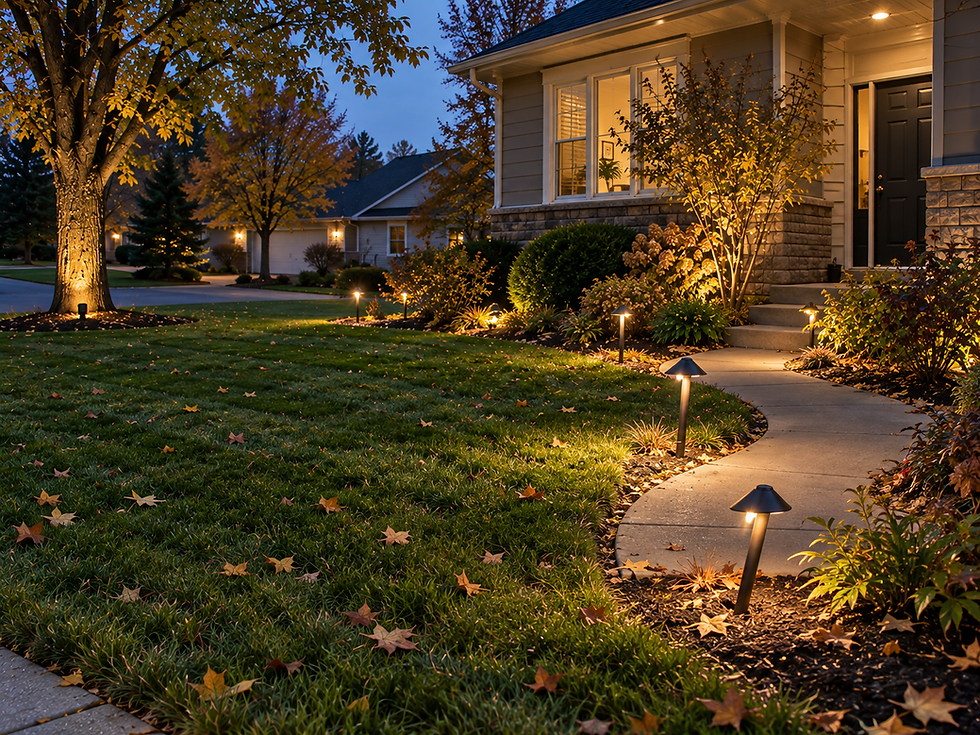
How to handle rapid temperature swings in Rochester Minnesota, showing a landscaper inspecting frost-stressed plants during an early spring weather change.


Comments


bottom of page