
How to Prevent Landscape Lights From Tilting in Rochester MN Freeze-Thaw
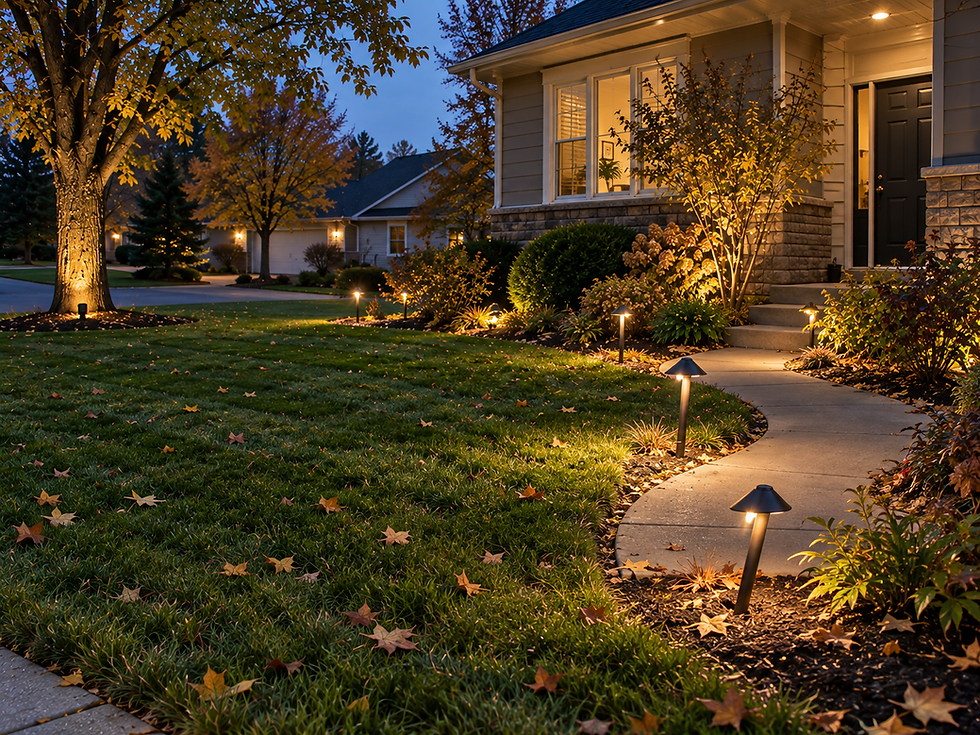
How to Prevent Landscape Lights From Tilting in Rochester MN Freeze-Thaw. Landscape lighting transforms Rochester, Minnesota properties after dark, extending outdoor enjoyment and enhancing security through the long winter nights. Yet homeowners who invest in beautiful lighting systems often face frustrating spring discoveries: fixtures tilted at odd angles, heaved from soil, or completely uprooted by the very ground movement that defines our continental climate. Freeze-thaw cycles, those seasonal temperature swings that freeze soil water and thaw it repeatedly, create forces that destroy inadequately installed landscape lighting. Understanding how to prevent this damage protects your investment and maintains the polished appearance that professional lighting design provides.
Rochester's location in the Driftless Area, with its clay-heavy agricultural soils and dramatic seasonal temperature variations, creates particularly challenging conditions for landscape lighting stability. The same freeze-thaw mechanics that heave sidewalks, damage foundations, and destroy retaining walls attack landscape fixtures with equal vigor. However, proper installation techniques, material selection, and design considerations can create lighting systems that survive decades of Rochester winters without tilting, heaving, or failure.
Understanding Freeze-Thaw Damage Mechanisms
Freeze-thaw damage to landscape lighting occurs through specific physical processes that informed installation can prevent or mitigate.
Frost heaving lifts fixtures when soil water freezes and expands approximately nine percent in volume. This expansion pushes soil particles, and anything embedded in them, upward. When thawing occurs, soil settles, but often not to original position, leaving fixtures tilted or elevated above grade. Repeated freeze-thaw cycles throughout winter compound this movement, progressively displacing fixtures from original installation position.
Ice lens formation creates horizontal layers of frozen water that shear through soil, particularly in clay-rich Rochester soils. These lenses form when water migrates toward freezing fronts, accumulating and expanding. Fixtures installed without adequate anchorage or drainage are lifted by ice lens growth, then left tilted or loosened when thawing occurs.
Soil type significantly influences freeze-thaw severity. Rochester's prevalent clay soils are particularly susceptible to frost heaving due to fine particle size that holds water and transmits freezing temperatures efficiently. Sandy soils, with larger particles and better drainage, experience less severe heaving but are uncommon in the region. Understanding your specific soil conditions guides appropriate prevention strategies.
Moisture availability determines frost heaving potential. Saturated soils heave severely; well-drained soils resist heaving even with freezing temperatures. Landscape lighting installation that ignores drainage creates conditions for maximum freeze-thaw damage.
Foundation and Mounting Strategies
Proper fixture foundation design prevents freeze-thaw displacement through several established techniques.
Concrete footing installation, extending below frost depth, provides the most reliable protection for Rochester landscape lighting. Footings should reach forty-two inches below grade, the established frost depth for southeastern Minnesota, with diameter substantially exceeding fixture stem width. This depth places fixture base below frost action zone, while concrete mass resists uplift forces. Properly installed concrete footings maintain fixture position through decades of freeze-thaw cycles.
Gravel base preparation improves drainage and reduces frost heaving even without full concrete footings. Excavating fixture locations to twelve to eighteen inches, filling with coarse gravel, and compacting in lifts creates stable base that drains water away from fixture zone. This approach, while less secure than concrete footings, significantly improves performance over simple soil installation.
Anchor systems for above-grade fixtures, including post lights and larger luminaries, must resist both uplift and overturning. Helical anchors, expanding concrete footings, or substantial pier foundations provide necessary stability. The specific anchor system should be engineered for fixture height, wind loading, and soil conditions at each location.
Drainage improvement around fixtures prevents saturated soil conditions that maximize frost heaving. French drains, surface grading, or permeable base materials move water away from fixture zones. This drainage focus, often overlooked in lighting installation, proves as important as structural anchorage for freeze-thaw resistance.
Fixture Selection for Stability
Lighting fixture design and material selection influence tilt resistance.
Low-profile fixtures, with minimal projection above grade, experience less wind loading and overturning moment than tall post lights. Path lights, well lights, and flush-mounted fixtures resist tilting forces more effectively than elevated lanterns or tall posts. Where tall fixtures are necessary, substantial foundation systems become essential.
Stem diameter and wall thickness affect bending resistance when soil movement occurs. Thin, decorative stems may look elegant but offer minimal resistance to tilting forces. Robust stems with adequate diameter and material thickness maintain position when lesser fixtures bend or tilt.
Material flexibility influences damage modes. Rigid metal fixtures may bend or break when soil movement occurs; flexible materials may tolerate some displacement without permanent damage. However, excessive flexibility allows visible tilting that defeats aesthetic purposes. Balanced rigidity with adequate strength provides optimal performance.
Connection design between fixture and foundation affects tilt resistance. Threaded connections, set screws, or welded joints must maintain integrity through freeze-thaw stress. Corrosion-resistant materials prevent connection degradation that allows loosening and tilting over time.
Installation Best Practices
Specific installation techniques prevent freeze-thaw tilting in Rochester conditions.
Excavation below frost line for all fixture foundations, regardless of fixture size, provides baseline protection. This depth requirement, forty-two inches for Rochester, should not be compromised for convenience or cost reduction. Shallower installation guarantees future tilting and failure.
Soil compaction in lifts during backfill prevents future settlement that contributes to tilting. Uncompacted backfill settles over time, creating voids that allow fixture movement. Compacting in six-inch lifts with appropriate equipment ensures stable support.
Gravel bedding and surround improves drainage and stability. Placing fixtures on six-inch gravel beds and backfilling with additional gravel to grade creates permeable zone that resists frost heaving. This technique, borrowed from structural foundation practice, adapts well to landscape lighting.
Proper cable management prevents indirect tilting causes. Cables buried too shallow experience frost heaving that transmits movement to connected fixtures. Cables at adequate depth, with slack at fixture connections, prevent this force transmission.
Seasonal installation timing affects long-term performance. Late season installations, rushed before winter, often compromise proper foundation preparation. Spring and summer installation allows adequate curing, compaction, and settlement before winter freeze-thaw testing.
Specific Fixture Type Considerations
Different lighting applications require tailored approaches.
Path and area lights, the most common landscape fixtures, benefit from concrete footing installation or substantial gravel bases. These frequently used fixtures, positioned along walkways and in planting beds, experience both freeze-thaw forces and occasional physical disturbance. Robust installation prevents the progressive tilting that makes paths look unmaintained.
Well and flush-mounted lights, installed at grade, require particular attention to drainage and base preparation. These fixtures, positioned for ground-level illumination, are particularly vulnerable to water accumulation and frost heaving. Elevated installation on gravel beds, with proper drainage, prevents the waterlogging that causes failure.
Post and lantern lights, with significant wind exposure and overturning potential, demand engineered foundations. Helical piers, substantial concrete piers, or embedded anchor systems provide necessary stability. The height and sail area of these fixtures multiplies forces from both wind and frost heaving.
Underwater and fountain lighting requires specialized waterproofing and anchorage that resists ice formation and water level changes. These fixtures, while less common, face extreme freeze-thaw conditions and demand professional installation techniques.
Tree-mounted and hanging fixtures avoid ground-level freeze-thaw but introduce other considerations. Tree movement, growth, and maintenance access affect these installations. While not subject to soil heaving, they require secure attachment that accommodates tree dynamics.
Maintenance and Monitoring
Ongoing attention prevents minor tilting from becoming major problems.
Spring inspection identifies displacement from winter freeze-thaw. Early correction, before growing season obscures access, maintains system appearance and function. Minor tilting may be correctable by resetting and improving drainage; significant displacement may require foundation reconstruction.
Drainage maintenance ensures continued performance. Erosion, settling, or vegetation growth may compromise original drainage design. Periodic clearing of drainage paths, gravel replenishment, and surface grading maintains freeze-thaw resistance.
Connection tightening addresses loosening from seasonal movement. Fixtures may tilt not from foundation failure but from connection loosening at base or stem joints. Annual inspection and tightening maintains original position.
Fixture replacement planning recognizes that no installation lasts indefinitely. Rochester's freeze-thaw environment eventually compromises even properly installed fixtures. Planning for eventual replacement, with accessible foundation systems, simplifies future updates.
Rochester-Specific Considerations
Local conditions influence lighting stability strategies.
Driftless Area topography creates variable soil and drainage conditions across Rochester properties. Valley locations with wet soils face greater frost heaving risk than well-drained upland sites. Site-specific assessment guides appropriate foundation design rather than universal approaches.
Agricultural heritage soils, with clay content and compaction history, present challenges distinct from native prairie or woodland soils. Former farmland may have hardpan layers, drainage tiles, or compaction that affects lighting foundation performance. Soil testing and observation inform appropriate techniques.
Urban heat island effects in developed areas moderate freeze-thaw severity slightly. Downtown and dense suburban neighborhoods may experience reduced frost depth and less severe heaving than outlying areas. This microclimate variation may allow modest installation modifications, though conservative approaches remain prudent.
Snow management practices affect lighting fixtures. Snowplowing, shoveling, and snow storage can physically damage fixtures or alter drainage patterns that influence freeze-thaw performance. Fixture placement should anticipate snow management activities.
Professional vs. DIY Installation
The technical requirements for freeze-thaw resistant installation favor professional expertise.
Equipment requirements for adequate excavation, compaction, and foundation installation exceed typical homeowner capability. Proper tools, including powered augers, compaction equipment, and concrete handling, ensure quality that manual methods cannot achieve.
Experience with Rochester soil conditions and freeze-thaw behavior guides appropriate technique selection. Professionals who have observed installation performance through multiple winters develop judgment about what works in specific conditions.
Warranty and service support provides recourse when problems occur. Professional installation typically includes warranty coverage and ongoing service that addresses any tilting or displacement that develops.
However, informed homeowners with adequate equipment and attention to detail can achieve successful DIY installation following established guidelines. The critical factor is respecting technical requirements rather than compromising for convenience.
Frequently Asked Questions
Why do my landscape lights tilt in Rochester winters?
Freeze-thaw cycles cause soil expansion and contraction that lifts and tilts inadequately anchored fixtures. Clay soils, moisture accumulation, and shallow installation exacerbate this problem.
How deep should landscape light foundations be in Rochester?
Forty-two inches below grade, the established frost depth for southeastern Minnesota, provides reliable protection. Shallower installation risks freeze-thaw damage.
Does concrete footing prevent tilting?
Properly installed concrete footings extending below frost depth provide excellent protection. Poorly installed or shallow footings may still experience problems.
Can I fix tilted lights without complete reinstallation?
Minor tilting may be corrected by resetting with improved drainage. Significant displacement or repeated tilting usually requires foundation reconstruction for lasting solution.
What is the best base material for landscape lights?
Coarse gravel, compacted in lifts, provides excellent drainage and stability. Concrete footings offer maximum protection for critical or high-value fixtures.
Do LED lights tilt less than incandescent?
Fixture technology does not affect tilting; foundation design and installation determine stability. LED fixtures may be lighter, potentially reducing overturning risk but not frost heaving.
Should I remove landscape lights for winter?
Removal is impractical for most installations and unnecessary with proper foundation design. Well-installed fixtures survive Rochester winters without damage.
How do I improve drainage around existing lights?
Surface grading to direct water away, gravel addition to improve permeability, or French drain installation may help. Significant improvement may require fixture resetting.
What fixtures resist tilting best?
Low-profile, robustly constructed fixtures with adequate stem diameter and quality connections perform best. Tall, thin, or delicately constructed fixtures are most vulnerable.
Is professional installation worth the cost for freeze-thaw protection?
Yes, for significant investments or challenging sites. Professional expertise in foundation design, soil assessment, and installation technique provides protection that justifies cost premium.
Ready to protect your landscape lighting investment from Rochester's destructive freeze-thaw cycles? River Bluff Landscaping provides professional installation services that ensure your fixtures remain plumb, stable, and beautiful through decades of Minnesota winters. Our team understands the specific challenges of southeastern Minnesota's clay soils, variable drainage, and severe temperature swings that tilt and destroy inadequately installed lighting. We don't just place fixtures in the ground; we engineer foundations with proper depth, drainage, and anchorage that resist frost heaving and soil movement. From concrete footings and gravel bedding to fixture selection and seasonal maintenance guidance, we deliver lighting systems that maintain their designed appearance and function regardless of winter severity. Whether you're installing new lighting or correcting existing tilted fixtures, we provide the expertise that transforms vulnerable installations into lasting landscape features. Contact River Bluff Landscaping today to schedule your lighting assessment and discover how professional foundation techniques prevent the tilting that ruins Rochester landscape lighting.
River Bluff Landscaping: https://riverblufflandscaping.com


Comments