
How to Prevent Weed Growth in Rochester, MN Mulch Beds
Weeds are one of the most frustrating landscaping problems homeowners face in Rochester, Minnesota. Even well-maintained mulch beds can quickly become overrun with unwanted growth if proper prevention methods are not in place. Between spring rain, humid summers, and nutrient-rich soil conditions, weeds thrive in southeastern Minnesota landscapes.
Many homeowners assume mulch alone will completely stop weeds, but the reality is more complex. Effective weed prevention requires a combination of proper mulch installation, soil preparation, maintenance practices, and ongoing landscape care.
Understanding how weeds develop—and how professional landscaping companies prevent them—can help homeowners maintain cleaner, healthier, and lower-maintenance mulch beds throughout the growing season.
Why Weeds Grow in Mulch Beds
Weeds spread through:
Wind-blown seeds
Existing root systems
Birds and wildlife
Contaminated soil
Thin mulch coverage
In Rochester, weeds often become especially aggressive during:
Spring rainfall
Warm summer humidity
Wet periods following storms
Even newly installed mulch beds can develop weeds if the underlying soil still contains dormant weed seeds or invasive root systems.
Common weeds found in Rochester mulch beds include:
Crabgrass
Dandelions
Creeping Charlie
Thistle
Clover
Nutsedge
Without proper prevention, these weeds compete with landscape plants for:
Water
Nutrients
Sunlight
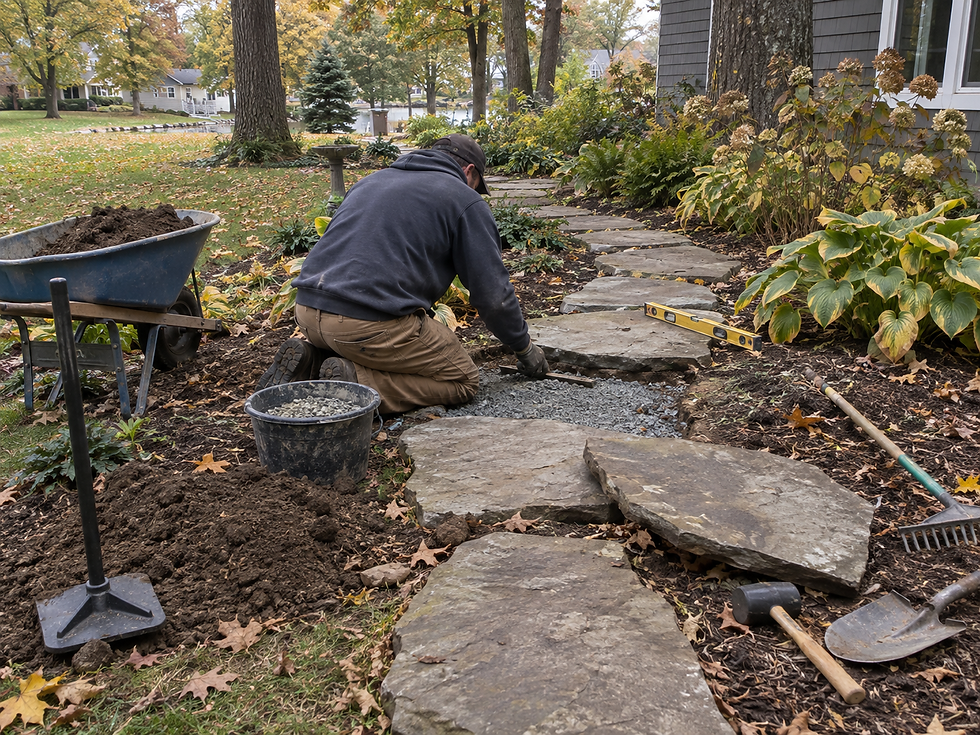
Start with Proper Bed Preparation
One of the biggest mistakes homeowners make is installing fresh mulch directly over existing weeds.
Professional mulch bed preparation usually includes:
Weed removal
Soil cultivation
Root extraction
Edging cleanup
If weeds are not fully removed before mulching, they often grow directly through the new mulch layer.
Professional Weed Removal Costs in Rochester, MN
Typical weed removal and bed preparation costs:
$100–$500+ depending on bed size and weed severity
Larger overgrown landscaping projects may cost more if extensive root removal or bed reconstruction is necessary.
Install a Proper Mulch Depth
Mulch acts as a natural weed barrier by:
Blocking sunlight
Reducing seed germination
Retaining soil moisture
However, mulch must be installed at the correct depth to work effectively.
Recommended Mulch Depth
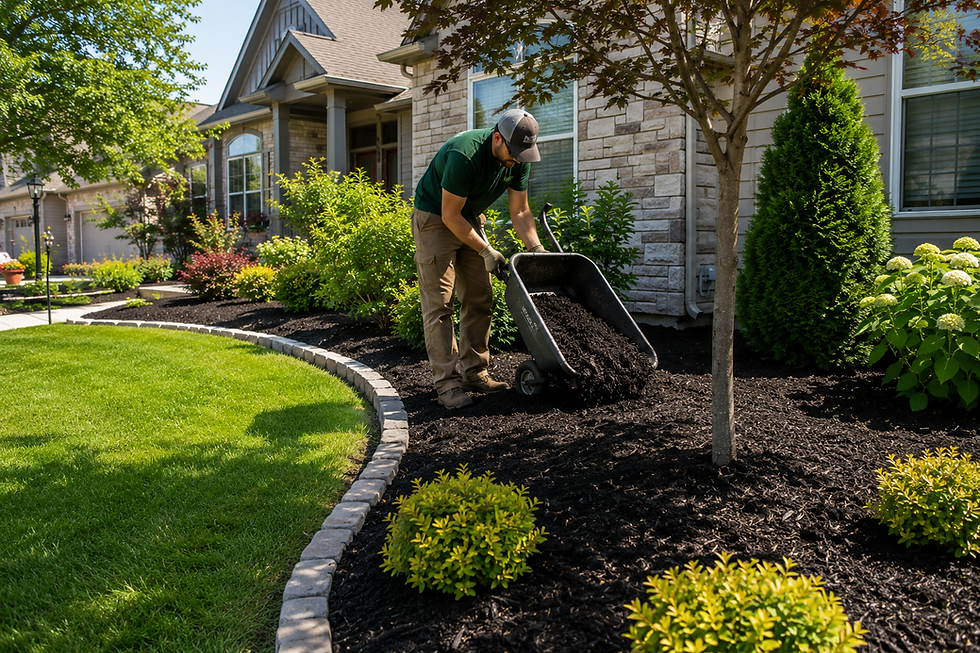
2–4 inches for most Rochester mulch beds
Too little mulch allows sunlight to reach weed seeds.
Too much mulch can:
Suffocate plant roots
Trap excess moisture
Encourage fungal problems
Professional mulch installation helps maintain proper coverage without harming surrounding plants.
Use High-Quality Mulch Materials
Not all mulch products perform equally.
Premium hardwood mulch generally provides:
Better weed suppression
Longer lifespan
Improved moisture retention
Cleaner appearance
Cheaper mulch products may:
Break down quickly
Contain weed seeds
Wash away during storms
Typical Mulch Installation Costs in Rochester
Mulch Material Costs
$35–$65 per cubic yard installed
Full Mulch Bed Refresh
$300–$2,500+ depending on bed size and property scope
Costs vary based on:
Mulch type
Accessibility
Existing bed conditions
Landscape size
Consider Landscape Fabric Carefully
Landscape fabric is one of the most debated weed prevention methods.
While fabric can initially reduce weed growth, it also has drawbacks.
Advantages of Landscape Fabric
Blocks some weed growth
Reduces soil disturbance
Helps separate mulch from soil
Drawbacks of Landscape Fabric
Over time:
Weed seeds still settle on top
Fabric may restrict water and airflow
Roots can become entangled
Fabric may surface as mulch breaks down
Many professional landscapers now prefer:
Proper mulch depth
Pre-emergent weed control
Routine maintenance
instead of relying entirely on fabric.
Apply Pre-Emergent Weed Control
Pre-emergent herbicides help prevent weed seeds from germinating before they become visible.
In Rochester, pre-emergent treatments are commonly applied:
Early spring
Sometimes again in early summer
These products are especially effective against:
Crabgrass
Annual weeds
Seed-based weed growth
Typical Pre-Emergent Treatment Costs
Professional applications generally range:
$50–$150+ per treatment
depending on property size.
Maintain Proper Mulch Bed Edging
Sharp landscape edging helps prevent:
Grass invasion
Weed spread
Mulch migration
Popular edging options include:
Steel edging
Aluminum edging
Natural trench edging
Decorative stone borders
Without proper edging, lawns often spread directly into mulch beds.
Address Drainage and Moisture Problems
Excess moisture can accelerate weed growth.
In Rochester, common issues include:
Poor drainage
Standing water
Runoff from downspouts
Clay-heavy soils
Wet mulch beds often become breeding grounds for aggressive weeds and fungal growth.
Professional landscaping companies may recommend:
Regrading
Drainage correction
Downspout extensions
Soil amendments
to reduce excessive moisture problems.
Climate Considerations in Rochester, MN
Minnesota weather creates ideal conditions for weed growth during parts of the year.
Spring Rainfall
Heavy spring rain encourages rapid weed germination.
Early prevention is critical before weeds mature and spread seeds.
Humid Summers
Humidity increases:
Weed growth rates
Fungal risks
Mulch decomposition
Routine maintenance becomes especially important during summer.
Freeze-Thaw Cycles
Winter freezing and spring thawing can disturb mulch layers and expose dormant weed seeds.
Annual mulch refreshing helps restore proper weed protection.
Common Homeowner Concerns
“Why do weeds still grow through mulch?”
Weed seeds can germinate above the mulch layer or survive underneath if preparation was incomplete.
“How often should mulch be replaced?”
Most Rochester mulch beds benefit from refreshing every 1–2 years.
“Can mulch attract bugs?”
Improperly installed or overly wet mulch can attract insects and fungal issues.
“Is colored mulch safe?”
Most commercial dyed mulches are safe when sourced from quality suppliers.
“Can weeds damage landscape plants?”
Yes. Weeds compete for nutrients, water, and sunlight.
Why Professional Mulch Installation Matters
Professional mulch installation involves much more than simply spreading wood chips.
Experienced landscaping companies evaluate:
Drainage
Soil conditions
Weed pressure
Bed design
Mulch depth
Plant health
Improper installation often leads to:
Weed breakthrough
Mulch washout
Plant stress
Excess maintenance
Professional landscape maintenance helps keep mulch beds healthier, cleaner, and easier to maintain long-term.
Frequently Asked Questions
1. What is the best way to stop weeds in mulch beds?
Proper weed removal, mulch depth, and pre-emergent treatments provide the best results.
2. How deep should mulch be to prevent weeds?
Most mulch beds should maintain 2–4 inches of mulch coverage.
3. Does landscape fabric stop weeds permanently?
No. Weed seeds can still germinate on top of the fabric over time.
4. How often should mulch be refreshed?
Most Rochester mulch beds benefit from refreshing every 1–2 years.
5. Can mulch help retain soil moisture?
Yes. Mulch reduces evaporation and improves moisture retention.
6. What type of mulch lasts longest?
Hardwood mulch generally provides good durability and weed suppression.
7. Are pre-emergent weed treatments safe?
Professional applications are generally safe when used properly.
8. Can drainage problems increase weeds?
Yes. Excess moisture often accelerates weed growth.
9. How much does mulch installation cost in Rochester?
Most projects range from $300–$2,500+ depending on size and materials.
Protect Your Mulch Beds from Weeds Today
Tired of constantly battling weeds in your landscaping? Our experienced Rochester landscaping team specializes in mulch installation, weed prevention, edging, drainage correction, and professional landscape maintenance designed for Minnesota conditions. Contact us today for a free estimate and customized mulch bed solutions.


Comments