
When Should You Install Stepping Stones in Rochester Minnesota?
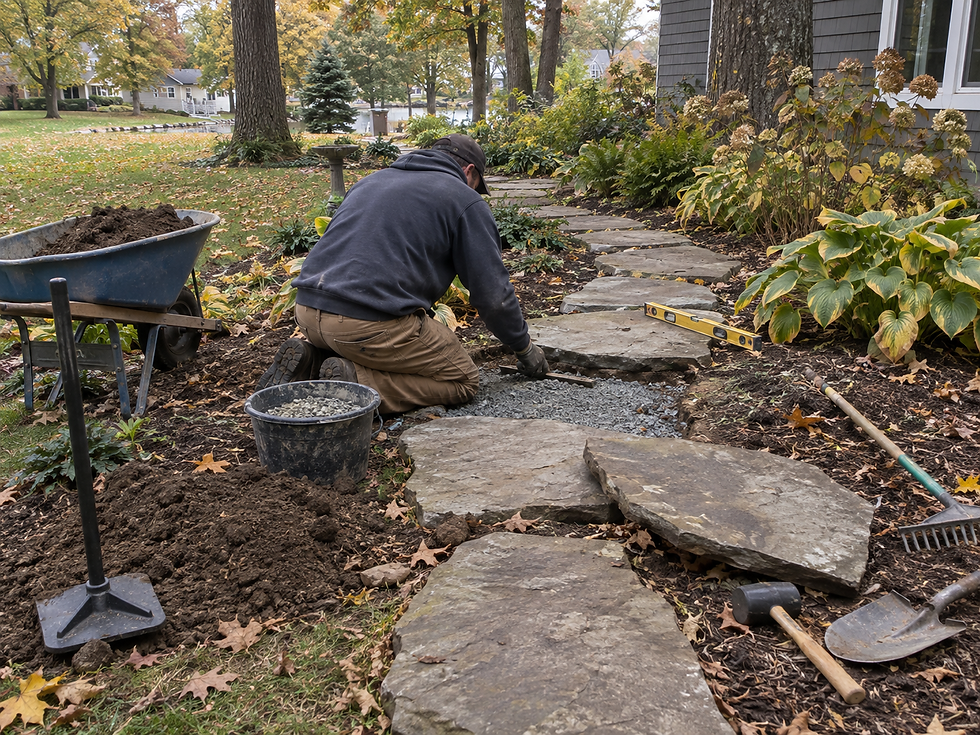
When Should You Install Stepping Stones in Rochester Minnesota? Stepping stones transform Rochester, Minnesota landscapes from purely aesthetic spaces into functional, navigable environments. Whether creating pathways through garden beds, connecting outdoor living areas, or solving drainage and erosion challenges, properly timed stepping stone installation ensures lasting performance and visual integration. Rochester's continental climate, with dramatic seasonal variations and specific soil conditions, creates installation windows that significantly influence project success and longevity.
The Driftless Area topography that defines southeastern Minnesota generates diverse microclimates even within Rochester city limits. Bluff-top properties, river valley locations, and urban heat islands each present distinct conditions affecting when and how stepping stones should be installed. Understanding these local factors, combined with general hardscape principles, guides timing decisions that protect your investment through freeze-thaw cycles, moisture fluctuations, and seasonal use patterns.
The Optimal Installation Window: Late Spring Through Early Fall
For most Rochester stepping stone projects, late May through September provides the optimal installation window. This period balances workable soil conditions, moderate temperatures for material handling and curing, and adequate establishment time before winter stress.
Soil workability peaks as spring moisture dissipates and ground temperatures rise. Rochester's clay-heavy soils, prevalent throughout the region, transition from spring saturation to summer friability during this window. Attempting installation on saturated clay creates compaction, poor drainage, and shifting that destroys pathway integrity. Conversely, midsummer dry periods can harden clay to concrete-like consistency that resists proper base preparation. Late spring through early summer hits the moisture sweet spot for efficient excavation and compaction.
Material performance benefits from moderate temperatures during this window. Concrete and natural stone stepping stones handle and cure optimally between fifty and eighty degrees Fahrenheit. Extreme heat can accelerate curing unevenly or cause thermal shock in some materials, while cold temperatures slow setting and reduce strength development. Rochester's summer climate, with typical highs in the seventies and eighties, provides ideal conditions for most stepping stone materials.
Establishment time before winter freeze-thaw cycles proves critical for base stability. Stepping stones installed in late spring or early summer experience months of use and settlement before ground freezing tests their foundation. This allows identification and correction of any shifting, drainage issues, or settling before ice lenses and frost heaving attack improperly prepared bases. Stones installed too late in fall may appear stable until spring reveals heaved, tilted, or sunken stones requiring extensive repair.
Late Spring: The Prime Season
Late May through June represents the single best period for most Rochester stepping stone installations.
Frost has reliably exited the ground, with soil temperatures at four inches reaching fifty degrees consistently. This depth stability ensures that base preparation reaches below frost line influence, creating foundations that resist seasonal movement. Early spring installation risks frost heaving of freshly placed stones as ground continues to settle and shift through freeze-thaw cycles.
Moisture conditions typically favor construction during this period. Spring snowmelt has drained, summer drought has not yet arrived, and rainfall remains relatively frequent. These conditions allow proper compaction of base materials without dust generation or excessive water requirements for dust suppression. Clay soils achieve optimal moisture content for compaction, creating dense, stable foundations.
Planting season coordination benefits garden pathway projects. Stepping stone installation in late spring precedes or coincides with major planting, allowing integration of pathways into overall landscape design. Stones placed before mature plantings avoid root damage and soil disturbance near established vegetation. Conversely, pathways through existing beds may require careful timing around perennial emergence and growth.
Contractor availability and pricing often favor late spring scheduling. Rochester landscaping crews transition from spring cleanup and maintenance into construction projects during this period, with capacity for new hardscape work before peak summer demand. Early season scheduling may provide more flexible timing and attention compared to midsummer crunch periods.
Summer Installation: Managing Heat and Drought
July and August present viable but challenging conditions for stepping stone installation in Rochester.
Heat stress affects both workers and materials during peak summer. Concrete products cure rapidly in high temperatures, potentially reducing working time and finish quality. Natural stone absorbs significant heat, becoming uncomfortable to handle and potentially thermally shocking if cold water contacts hot surfaces. Scheduling work during morning hours mitigates these challenges.
Drought conditions increasingly affect Rochester summers, creating soil moisture management challenges. Extremely dry clay soils become rock-hard, resisting proper excavation and compaction. Pre-watering preparation areas twenty-four to forty-eight hours before installation softens soil sufficiently for workability without creating muddy conditions. Ongoing drought may require irrigation of newly installed pathway areas to prevent excessive base drying and settlement.
Plant stress from summer disturbance affects garden pathway projects. Dividing or moving perennials to accommodate stones during active growth reduces plant vigor and survival. Container-grown plantings installed after stone placement adapt better than divisions from established beds. Consider summer installation primarily for non-garden areas or plan significant plant replacement.
Despite these challenges, summer installation succeeds with proper management and provides functional pathways for peak outdoor use season. The satisfaction of immediate usability during prime garden enjoyment months offsets some installation inconvenience.
Fall Installation: Risk and Reward
September through early October offers a second viable window with distinct advantages and risks.
Cooler temperatures return to optimal ranges for material handling and worker comfort. Soil moisture typically improves from summer lows, though autumn rainfall variability requires monitoring. These conditions support quality installation when time permits.
Plant dormancy approaches, reducing disturbance impact on garden beds. Herbaceous perennials decline toward dormancy, tolerating division or displacement better than midsummer growth periods. Woody plants enter stable late-season condition where root disturbance causes less stress than spring or summer equivalent work.
However, the compressed timeline before winter creates significant risk. Stepping stones installed in late September or October have minimal time for base settlement and stabilization before ground freezing. Rochester's average first frost in early October and ground freeze typically by late November leaves six to eight weeks at best for establishment. Early fall installation succeeds; late fall installation risks spring failure discovery.
Leaf fall complicates fall installation, particularly in Rochester's mature neighborhoods with abundant deciduous trees. Constant debris removal during installation adds labor, while leaves trapped in setting base materials create organic matter that decomposes and settles unevenly. Installation timing before significant leaf drop, or vigilant cleaning during work, addresses this challenge.
Winter Installation: Emergency Only
November through April generally precludes stepping stone installation in Rochester, with rare exceptions for emergency repairs or specialized circumstances.
Frozen ground prevents proper excavation and base preparation. Mechanical or hand breaking of frozen soil creates uneven, unstable foundations that guarantee spring failure. Even surface-thawed conditions mask frozen ground below that prevents adequate depth work.
Material handling becomes problematic in cold. Concrete products risk freeze damage before curing completes, requiring heated enclosures or extended curing periods impractical for most residential projects. Natural stone becomes slippery and potentially brittle, with handling hazards increasing dramatically.
Snow cover and cold eliminate motivation for outdoor pathway projects. Any installation attempted during winter thaws typically faces immediate re-freezing that destroys work quality. Emergency repairs using temporary materials until proper spring installation represents the only rational winter approach.
Rochester-Specific Timing Considerations
Local factors influence optimal stepping stone timing beyond general seasonal patterns.
Urban heat island effects in Rochester's developed areas moderate temperature extremes and extend workable seasons slightly. Downtown and dense suburban neighborhoods may allow two to three weeks extended installation compared to outlying rural properties with earlier freeze and later thaw.
Slope orientation significantly affects microclimate timing. South-facing slopes warm earlier in spring and maintain workable conditions later into fall, potentially adding weeks to installation windows. North-facing slopes retain frost longer and freeze earlier, compressing optimal timing. Stepping stone projects on sloped properties should account for these aspects.
Soil drainage variations across Rochester create different workable moisture windows. Well-drained sandy or loamy soils, rare but present in some areas, become workable earlier and remain workable longer than typical clay. Conversely, poorly drained low spots or high water table areas may never achieve optimal conditions during wet seasons.
Mature tree canopy influences installation timing through shade and root considerations. Heavily shaded areas remain workable longer into summer without the soil hardening that affects full-sun locations. However, dense tree root systems require careful timing to minimize disturbance during active growth periods.
Project-Specific Timing Strategies
Different stepping stone applications benefit from tailored timing approaches.
Garden pathways through established perennial beds ideally install during dormancy periods, either early spring before emergence or late fall after decline. This minimizes root disturbance and allows plant recovery before or after growing season stress. Early spring typically offers better soil conditions than late fall in Rochester.
Lawn pathways crossing turf areas suit late summer or early fall installation. Warm season grasses tolerate disturbance best during late summer growth, while cool season lawns recover well from early fall installation. Spring installation risks mud and compaction damage during wet conditions and heavy use.
Erosion control and drainage pathways often require urgent timing responsive to immediate needs rather than optimal conditions. However, even emergency installations benefit from weather forecasting to avoid installation immediately before heavy rain or freeze events that would destroy unset work.
New construction landscape integration should coordinate with overall project phasing. Stepping stones ideally follow rough grading and major hardscape but precede final planting and lawn establishment. This sequencing allows proper base preparation without disturbing finished plantings or compacting new turf.
Material Considerations by Season
Stepping stone material selection interacts with installation timing.
Concrete pavers and cast stone products cure and handle best in moderate temperatures. Late spring and early fall provide optimal conditions for these materials, with summer installation requiring curing management and winter installation essentially impossible.
Natural stone, including bluestone, granite, and limestone, handles broader temperature ranges but still benefits from moderate conditions. Thermal shock from rapid temperature changes, particularly hot stone contacting cold water or frozen ground, creates cracking risks. Seasonal transitions require careful material handling.
Permeable pavers and environmentally focused materials often require specific temperature ranges for joint fill materials and setting compounds. These products may have narrower installation windows than conventional materials, requiring careful scheduling around manufacturer specifications.
Maintenance and Longevity Timing
Installation timing affects long-term maintenance requirements and stepping stone longevity.
Properly timed installations with adequate base preparation and curing before winter stress develop maximum durability. Stones installed in optimal windows typically require minimal resetting or leveling for years, while poorly timed installations show settlement, heaving, and shifting within the first year or two.
Seasonal maintenance, including joint sand replenishment, leveling adjustments, and cleaning, should follow installation timing patterns. Spring maintenance addresses winter damage, summer maintenance prepares for heavy use, and fall maintenance winterizes pathways. Aligning installation to precede these natural maintenance cycles improves long-term performance.
Frequently Asked Questions
When is the best time to install stepping stones in Rochester?
Late May through June offers optimal conditions, with September through early October as a secondary viable window. Avoid November through April except for emergency repairs.
Can I install stepping stones in early spring?
Early spring installation risks frost heaving and wet soil conditions that compromise base stability. Wait until soil temperatures reach fifty degrees at four inches and frost has reliably exited the ground, typically late May in Rochester.
Is fall stepping stone installation too risky?
Early fall, September through early October, succeeds with proper timing and technique. Late fall installation after mid-October risks insufficient establishment before winter freeze-thaw cycles, with potential spring failure.
How does Rochester's clay soil affect installation timing?
Clay soils require moisture content between too wet and too dry for proper workability. Late spring and early fall typically hit this sweet spot, while midsummer drought hardens clay and spring saturation makes it unworkable.
Can stepping stones be installed during summer drought?
Yes, with pre-watering of preparation areas and ongoing irrigation of completed work. However, plant disturbance stress increases, and dust generation complicates work. Morning scheduling mitigates heat challenges.
What happens if stepping stones are installed too late in fall?
Late fall installation may appear successful until spring reveals heaved, tilted, or sunken stones from inadequate base settlement and frost damage. Repair or complete reinstallation becomes necessary, eliminating any savings from off-season pricing.
Do contractors charge less for off-season stepping stone installation?
Minimal seasonal pricing variation exists for hardscape work compared to softscape. The risks and challenges of off-season installation often justify standard or premium pricing rather than discounts. Focus on optimal timing for value rather than seeking off-season bargains.
How long before winter should stepping stones be installed?
Allow six to eight weeks minimum between installation and ground freeze for base settlement and stabilization. In Rochester, this means completing installation by early October for typical November ground freeze.
Can I install stepping stones myself in Rochester?
DIY installation succeeds with proper base preparation, which requires excavation to six to eight inches, quality base material in lifts with compaction, and precise leveling. The physical demands and equipment needs often justify professional installation for lasting results.
What maintenance follows stepping stone installation?
Initial settling may require minor leveling adjustments after the first season. Ongoing maintenance includes joint sand replenishment, weed control, cleaning, and periodic releveling of shifted stones. Properly timed installation reduces maintenance frequency significantly.
Ready to add functional beauty to your Rochester landscape with professionally installed stepping stones? River Bluff Landscaping provides expert hardscape services timed precisely for southeastern Minnesota's unique conditions. Our team understands the critical importance of installation windows that account for frost cycles, clay soil workability, and seasonal weather patterns that affect long-term pathway performance. We schedule your stepping stone project for optimal conditions, ensuring proper base preparation, material handling, and establishment time that delivers lasting stability through Rochester's challenging winters. From garden pathways and lawn crossings to erosion control and drainage solutions, we design and install stepping stone features that integrate seamlessly with your landscape and withstand years of use. Contact River Bluff Landscaping today to schedule your consultation and discover how strategic timing transforms stepping stone installation from seasonal gamble into guaranteed success
River Bluff Landscaping: https://riverblufflandscaping.com/


Comments